Key Takeaways
- Complete recipe with step-by-step instructions
- Nutritional information included
- Tips for best results
- Storage and reheating guidelines
Published: September 4, 2025 |
Last Updated: September 4, 2025 |
Prep Time: See recipe below
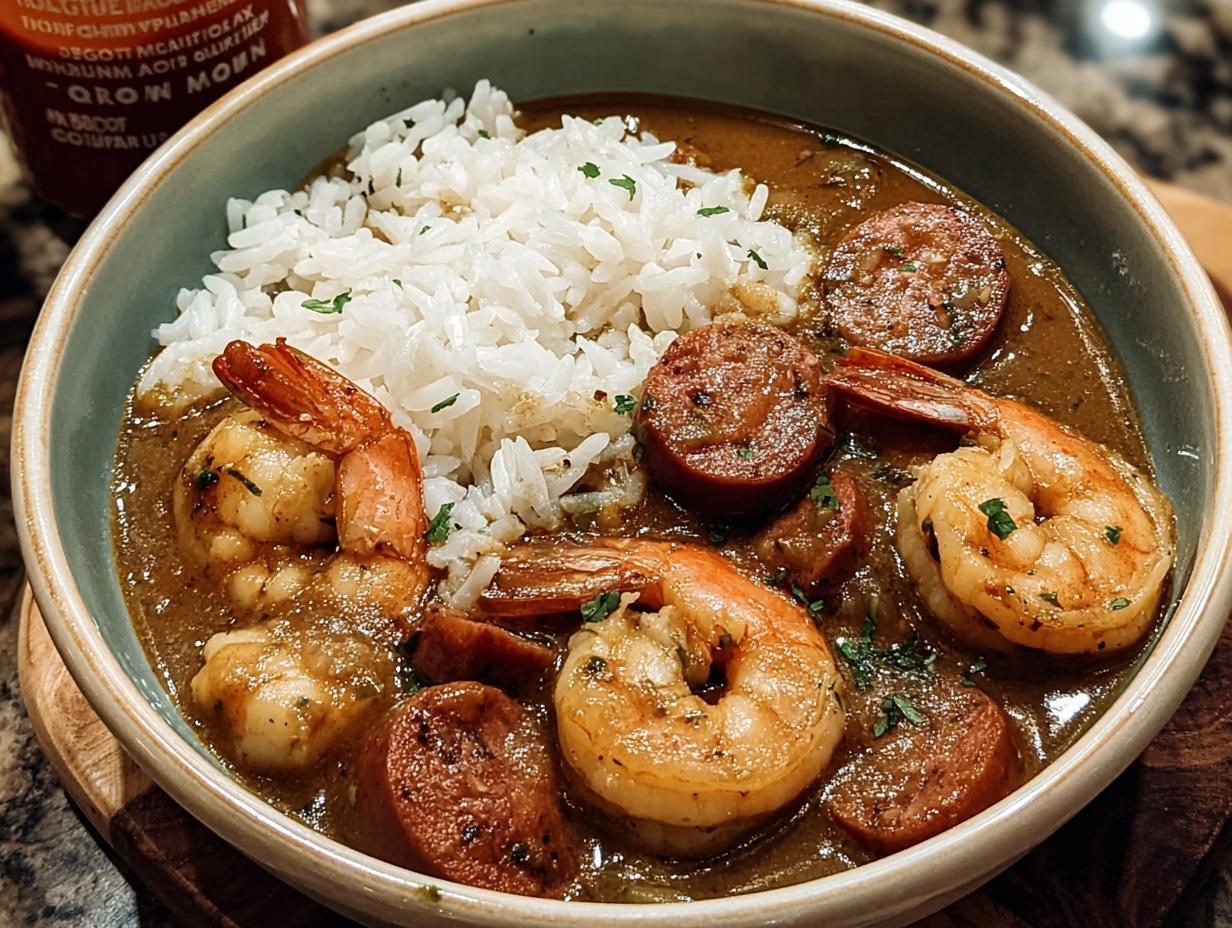
Gumbo has always been more than just a dish to me; it’s a warm hug from my Grandma’s kitchen. I can still vividly remember the rich, smoky aroma filling her house on chilly Louisiana evenings, a scent that promised comfort and remarkable flavor. Learning how to make gumbo from her was a rite of passage, a way to connect with my roots and create that same magic for my own family. This isn’t just any recipe; it’s an attempt at an authentic gumbo, packed with tender shrimp, spicy andouille sausage, and that deep, soulful flavor that only time and care can build. Let’s get cooking!
Why You’ll Love This Gumbo Recipe
This classic gumbo recipe is a winner for so many reasons. You’ll adore the incredibly rich and complex flavors that develop from the carefully crafted roux and aromatic vegetables. Despite its depth, it’s surprisingly approachable, making it an easy gumbo recipe for weeknights or special occasions.
- Unforgettable, deep, savory flavor profile
- Manageable prep time for a rewarding, hearty meal
- Packed with protein and wholesome vegetables
- Budget-friendly when using staple pantry ingredients
- A crowd-pleasing dish that families adore
- Just right for a comforting chicken and sausage gumbo
- Versatile enough to swap proteins for another delicious chicken and sausage gumbo
Gumbo Ingredients
Gathering your gumbo ingredients is the first exciting step to making this extraordinary dish. You’ll need a few key components to build that foundational flavor. For the essential gumbo roux, you’ll need ¾ cup unsalted butter and 1 cup all-purpose flour – these are the backbone of our gumbo’s rich texture and color.
- ¾ cup unsalted butter – for the roux
- 1 cup all-purpose flour – also for the roux
- 2 ribs celery, roughly chopped – part of the “holy trinity”
- 1 large yellow onion, roughly chopped – another part of the trinity
- 1 large green bell pepper, roughly chopped – completes the trinity
- 2 teaspoons garlic, minced – adds aromatic depth
- 10 cups beef broth – the liquid base for our gumbo
- 14 ounces andouille sausage, sliced – for that classic smoky, spicy flavor
- 3 pounds medium shrimp, peeled and deveined – the star protein
- 1 can stewed tomatoes (14.5 ounces) – adds a touch of acidity and color
- 1 can tomato sauce (6 ounces) – deepens the tomato flavor
- 2 tablespoons hot sauce – for a customizable kick
- 1 tablespoon white sugar – balances the acidity
- ½ teaspoon Cajun seasoning – for authentic flavor
- ½ teaspoon dried thyme leaves – adds herbaceous notes
- 4 teaspoons gumbo filé powder, divided – a traditional thickener and flavor enhancer, added at the end
- 4 bay leaves – impart a subtle, aromatic quality
- Cooked white rice – for serving
How to Make Gumbo
Now that you have all your exceptional gumbo ingredients ready, let’s dive into making this delicious dish. This easy gumbo recipe breaks down the process into manageable steps, so don’t be intimidated by the roux – it’s totally doable!
- Step 1: Start by preheating your oven to 350°F (175°C). While the oven heats, get your roux going. In a large, heavy-bottomed 6-quart pot or Dutch oven, melt the butter over medium-low heat. Gradually whisk in the flour, stirring constantly. This is crucial for an easy gumbo recipe! Continue cooking and stirring for about 30-40 minutes, or until the mixture turns a deep, chocolate brown color. The aroma will be nutty and rich.
- Step 2: Once your roux reaches that ideal deep brown, add the chopped celery, onion, green bell pepper (this trio is known as the “holy trinity”), and minced garlic to the pot. Sauté these vegetables in the roux for about 8-12 minutes, stirring occasionally, until they soften and become fragrant.
- Step 3: Slowly and carefully incorporate the beef broth into the vegetable-roux mixture, whisking continuously to prevent any lumps from forming. Bring this mixture to a boil over medium-high heat, then reduce the heat to maintain a steady simmer for 15-20 minutes, allowing the flavors to meld.
- Step 4: Stir in the sliced andouille sausage, stewed tomatoes, tomato sauce, hot sauce, sugar, Cajun seasoning, thyme, and bay leaves. Let this simmer uncovered for approximately 45 minutes, stirring occasionally to prevent sticking. You’ll start to smell that exceptional, complex aroma developing.
- Step 5: Add the shrimp and Worcestershire sauce to the pot. Stir in 2 teaspoons of the gumbo filé powder. Reduce the heat to low and let it simmer gently for 45-60 minutes, or until the shrimp are pink and firm, and the flavors have deepened beautifully.
- Step 6: Just before you’re ready to serve this striking gumbo recipe, stir in the remaining 2 teaspoons of gumbo filé powder. Ladle the hot gumbo generously over fluffy cooked white rice for a indeed satisfying meal.

The Art of the Gumbo Roux
The gumbo roux is the foundational flavor and thickening agent for any good gumbo. Achieving the right color, a deep chocolate brown, is key. This process requires patience and constant stirring over medium-low heat to prevent burning. A dark roux imparts a rich, nutty, and slightly bitter flavor that is essential to an authentic gumbo. Learning about the science behind cooking can be fascinating, and understanding how heat transforms ingredients is a key part of mastering any recipe. For more on the Maillard reaction, a key process in browning foods, you can check out resources on Serious Eats.
Building Flavor in Your Gumbo
Beyond the roux, flavor in gumbo comes from layering ingredients. The “holy trinity” of celery, onion, and bell pepper provides a sweet and aromatic base. Using a quality beef broth is essential, and the combination of andouille sausage, tomatoes, and seasonings like Cajun seasoning and thyme creates that signature depth. Don’t forget the bay leaves for a subtle aromatic note. Exploring different spice blends can also add new dimensions to your cooking; you might find inspiration in various spice profiles.
Pro Tips for the Best Gumbo
Want to elevate your gumbo game? These tips will help you achieve that optimal, soul-warming bowl every time. Making a honestly delicious gumbo is all about patience and attention to detail, especially when it comes to that crucial roux and layering flavors.
- Always make your roux in a heavy-bottomed pot over medium-low heat, stirring constantly to achieve an even, deep chocolate color without burning.
- Don’t rush the simmering process; allowing the flavors to meld for at least an hour after adding the sausage and tomatoes deepens the taste.
- Gently add the shrimp at the very end and cook just until pink and opaque to prevent them from becoming tough.
- Taste and adjust seasonings before serving – a little extra hot sauce or Cajun seasoning can make all the difference.
What’s the secret to just right Gumbo?
The secret to a really ideal, authentic gumbo lies in a deeply caramelized, chocolate-brown roux. It requires patience, constant stirring, and the right heat to develop its complex, nutty flavor without burning. This dark roux is the soul of the dish.
Can I make Gumbo ahead of time?
Certainly! Many believe gumbo tastes even better the next day. You can refrigerate the gumbo (without the shrimp and filé powder) for up to three days. Reheat gently on the stovetop before adding the shrimp and filé powder. This is a common practice in Louisiana gumbo traditions. For more tips on meal preparation, consider looking into make-ahead meal strategies.
How do I avoid common mistakes with Gumbo?
The most common pitfall is a burnt roux; always stir constantly over medium-low heat. Another mistake is overcooking the shrimp – add them only during the last 10-15 minutes of cooking. Lastly, don’t skip the simmering time, as it allows the flavors to meld beautifully.
What to Serve with Gumbo
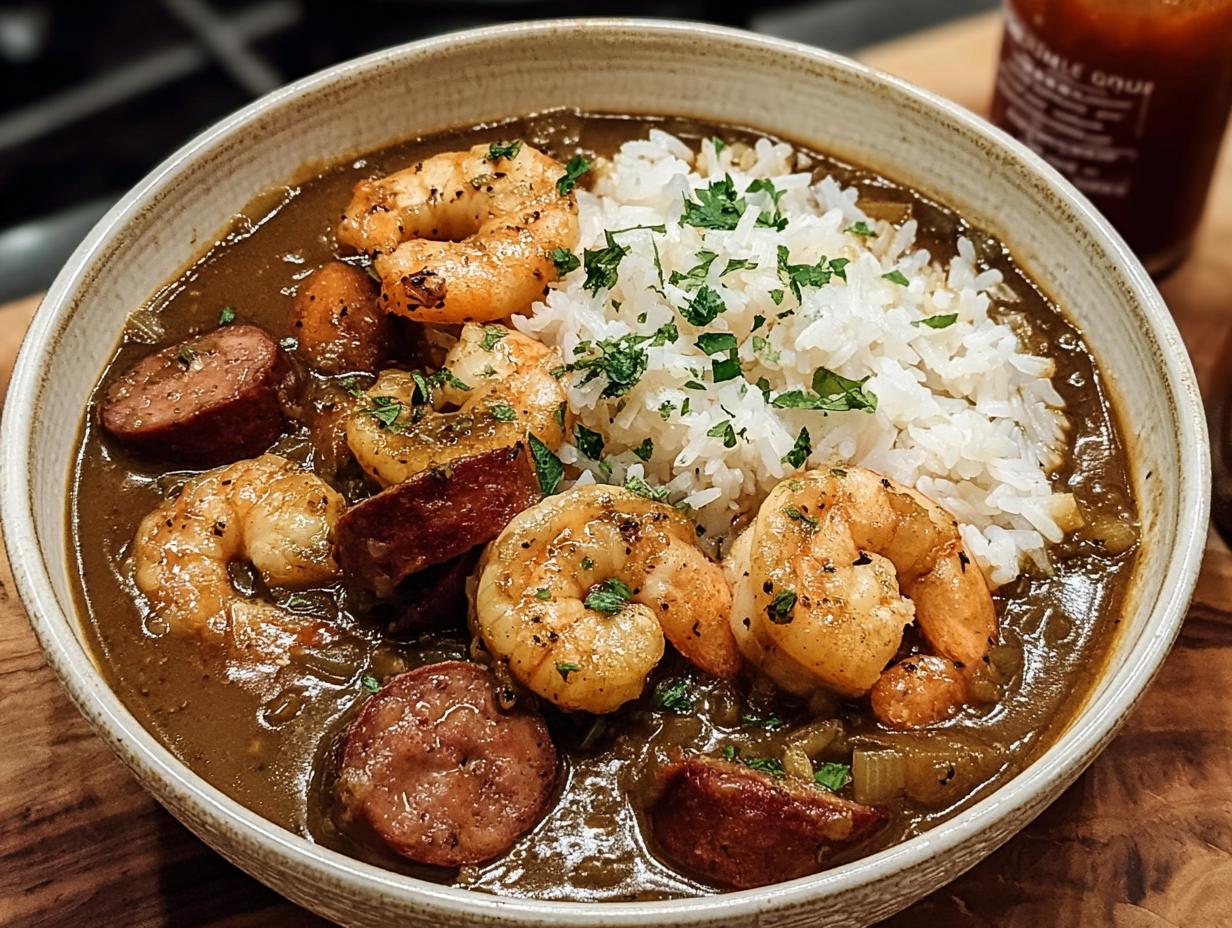
Serving your delicious gumbo is the final, satisfying step! The most classic pairing for any gumbo recipe is, of course, fluffy white rice. The rice acts as a excellent vessel to soak up all that rich, flavorful broth. I always aim for long-grain white rice, cooked until it’s tender but still has a slight bite. It’s the traditional way to enjoy a hearty bowl.
Beyond rice, consider a simple green salad with a light vinaigrette to offer a fresh contrast. Another fantastic side is crusty French bread; it’s great for dipping into any leftover gumbo broth. You could also offer a side of potato salad, a Southern tradition that some people swear by with their gumbo! For more side dish ideas, explore various culinary pairings.
Nutrition Facts for Gumbo
This hearty bowl of gumbo is packed with flavor and satisfying ingredients. Here’s a nutritional breakdown per serving, offering a glimpse into this classic dish.
- Calories: 460 kcal
- Fat: 14 g
- Saturated Fat: 7 g
- Protein: 28 g
- Carbohydrates: 54 g
- Fiber: 3 g
- Sugar: 4 g
- Sodium: 1200 mg
Nutritional values are estimates and may vary based on specific ingredients used.
How to Store and Reheat Gumbo
Properly storing and reheating your delicious gumbo ensures you can enjoy its impressive flavors for days to come. After cooking, let the gumbo cool down to room temperature for about an hour before portioning it into airtight containers. You can store it in the refrigerator for 3 to 4 days. For longer storage, freezing is an excellent option; freeze the gumbo in airtight containers or heavy-duty freezer bags for up to 3 months. If you’re preparing a seafood gumbo recipe, it’s often best to freeze the broth and seafood separately to maintain the best texture, combining them when reheating.
When it’s time to reheat, gently warm the gumbo on the stovetop over medium-low heat, stirring occasionally until heated through. If you froze the gumbo in portions, you can also thaw it overnight in the refrigerator and then reheat. For a quick reheat, you can use the microwave, stirring halfway through to ensure even heating. Avoid boiling the gumbo once it’s reheated, especially if it contains seafood, to keep the ingredients tender.
Frequently Asked Questions About Gumbo
What’s the main difference between Gumbo and Jambalaya?
While both are iconic Louisiana dishes, the biggest difference between gumbo and jambalaya is the roux and the rice. Gumbo starts with a dark roux and is served over rice, whereas jambalaya has the rice cooked directly in the pot with all the other ingredients, absorbing the flavorful liquid. Think of gumbo as a rich stew and jambalaya as a flavorful one-pot rice dish. Understanding regional culinary differences can be very insightful; for instance, learning about different regional cuisines can broaden your cooking horizons.
Is this a Creole or Cajun Gumbo?
This recipe leans more towards Cajun style, primarily because it doesn’t include tomatoes in the initial base, which is more characteristic of Creole cooking. Still, many consider it a hybrid, as the inclusion of tomatoes and shrimp bridge the gap. Ultimately, the defining factor for many is the dark roux, a staple in both traditions. You’ll find this gumbo has that deep, soulful flavor you’d expect from any authentic Louisiana gumbo.
How do I make my Gumbo spicier?
If you love a bit of heat, there are several ways to make your gumbo spicier! You can increase the amount of hot sauce you add, or opt for a hotter variety. Adding a pinch of cayenne pepper to the roux or the simmering base is another great method. For an extra kick, consider using a spicier andouille sausage or adding some diced jalapeños or habaneros with the “holy trinity” vegetables. Remember, you can always add more heat, but you can’t easily take it away! For those interested in heat levels, exploring different chili peppers might be of interest.
Can you use seafood and chicken and sausage together in Gumbo?
Genuinely! It’s quite common to combine different proteins in gumbo, creating a rich “combination” or “supreme” gumbo. Adding both shrimp and chicken with sausage is a fantastic way to layer flavors and textures. Just be mindful of cooking times; add the shrimp towards the end so they don’t overcook, while the chicken and sausage can simmer longer to meld their flavors into the base.
Gumbo Variations You Can Try
While this chicken and sausage gumbo is fantastic, the beauty of gumbo is its versatility! Don’t be afraid to experiment with different proteins and flavor profiles to find your ideal bowl. There are so many delicious gumbo variations to explore.
- Seafood Gumbo Recipe: Swap the sausage and chicken for a mix of shrimp, crab, oysters, or crawfish. Add them in the last 15-20 minutes of cooking to prevent overcooking. This is a classic and beloved variation.
- Vegetarian Gumbo: Omit the meat and seafood, and load up on extra vegetables like okra, mushrooms, and zucchini. Use a rich vegetable broth as your base for a hearty meat-free option.
- Smoked Sausage Gumbo: While andouille is traditional, any good quality smoked sausage works beautifully. Try kielbasa or a spicy smoked sausage for a different, but equally delicious, flavor profile.
- Okra Gumbo: For a thicker, slightly more traditional gumbo, add sliced okra along with the “holy trinity” vegetables. It adds a terrific texture and helps thicken the gumbo naturally.

Gumbo: Simple secrets for perfect flavor
- Total Time: 2 hours 30 minutes
- Yield: 6 bowls 1x
- Diet: Vegetarian
Description
A hearty and comforting Cajun gumbo recipe featuring shrimp and andouille sausage, perfect for a flavorful meal.
Ingredients
- For the Roux:
- ¾ cup Unsalted Butter
- 1 cup All-Purpose Flour
- For the Vegetables:
- 2 ribs Celery, roughly chopped
- 1 large Yellow Onion, roughly chopped
- 1 large Green Bell Pepper, roughly chopped
- 2 teaspoons Garlic, minced
- For the Base and Protein:
- 10 cups Beef Broth
- 14 ounces Andouille Sausage, sliced
- 3 pounds Medium Shrimp, peeled and deveined
- For Flavor and Seasoning:
- 1 can Stewed Tomatoes (14.5 ounces)
- 1 can Tomato Sauce (6 ounces)
- 2 tablespoons Hot Sauce
- 1 tablespoon White Sugar
- ½ teaspoon Cajun Seasoning
- ½ teaspoon Dried Thyme Leaves
- 4 teaspoons Gumbo Filé Powder, divided
- 4 Bay Leaves
- To Serve:
- Cooked White Rice
Instructions
- In a large, heavy-bottomed 6-quart pot, melt butter over medium-low heat. Gradually whisk in flour, stirring constantly. Cook for 30-40 minutes until the mixture turns a deep, chocolate brown.
- Add chopped celery, onion, bell pepper, and minced garlic to the pot. Sauté for 8-12 minutes until vegetables soften.
- Slowly incorporate beef broth into the vegetable-roux mixture, whisking to avoid lumps. Bring to a boil over medium-high heat for 15-20 minutes.
- Stir in sliced andouille sausage, stewed tomatoes, tomato sauce, hot sauce, sugar, Cajun seasoning, thyme, and bay leaves. Simmer uncovered for 45 minutes, stirring occasionally.
- Add shrimp and Worcestershire sauce to the pot. Stir in 2 teaspoons of gumbo filé powder. Cook on low heat for 45-60 minutes, until shrimp are pink and firm.
- Just before serving, stir in the remaining 2 teaspoons of gumbo filé powder. Ladle hot gumbo over cooked white rice.
Notes
- Gumbo flavors deepen when made ahead and refrigerated overnight.
- A sturdy Dutch oven is recommended for even heat distribution.
- Freeze gumbo and rice separately to maintain texture; combine only when serving.
- Stir roux constantly over medium-low heat to prevent burning.
- Kielbasa or chicken sausage can be substituted for andouille sausage.
- Prep Time: 30 minutes
- Cook Time: 2 hours
- Category: Dinner
- Method: Stovetop
- Cuisine: Southern
Nutrition
- Serving Size: 1 bowl
- Calories: 460 kcal
- Sugar: 4 g
- Sodium: 1200 mg
- Fat: 14 g
- Saturated Fat: 7 g
- Unsaturated Fat: 6 g
- Trans Fat: 0 g
- Carbohydrates: 54 g
- Fiber: 3 g
- Protein: 28 g
- Cholesterol: 175 mg
You Might Also Love




Frequently Asked Questions
People Also Search For:

About the Author
Jannet Lisa is a certified culinary professional with over 10 years of experience in recipe development and food styling. She has worked with major food brands and her recipes have been featured in various culinary publications.
500+ Recipes Created Culinary Arts Graduate Recipe Tested & Verified






Leave a Reply